Creative Learning Environment
Creativity and educational escape rooms as a tool for learning truth out a teamwork and adventure.
The program aimed to develop a practical and innovative educational tool, based on escape rooms to be used in a broad range of formal and non-formal educational fields for creation of inclusive and effective learning environment.
About the programme
1. Actualize the importance of a creative learning environment (content, emotional and
physical) for ensuring effective learning
2. To create space and support for inter-sector cooperation of formal and non-formal education
professionals focused on innovations in education, in order to create a modern and successful
learning environment for children and young people in their learning process.
3. To introduce various formal and informal learning methods (self-organized learning, 360%
learning method, learning by doing etc.)
4. To introduce the learning educational escape room methodology
1. To encourage cooperation between formal and non-formal education on the topic of
learning and learning environments.
2. To set up transnational training to explore gamification and
unconventional environments to provoke new perceptions about self-directed
learning.
3. To explore new educational methodology and to create an innovative
educational tool for a broad range of young people, including those with fewer
opportunities.
4. To support participants to identify their own natural way of learning and
explore how creativity and environment can provoke changes in learning efficiency.
- Theory and practical work
- Learning by doing
- Discussions
- An updated topic on the importance of the learning environment (emotional, physical and content) for ensuring an effective learning process.
- Acquired knowledge about different/other forms of learning.
- Acquired theoretical and practical knowledge in creating educational breakout rooms.
Teachers, educators, education specialists, youth workers, support stuff, social workers.
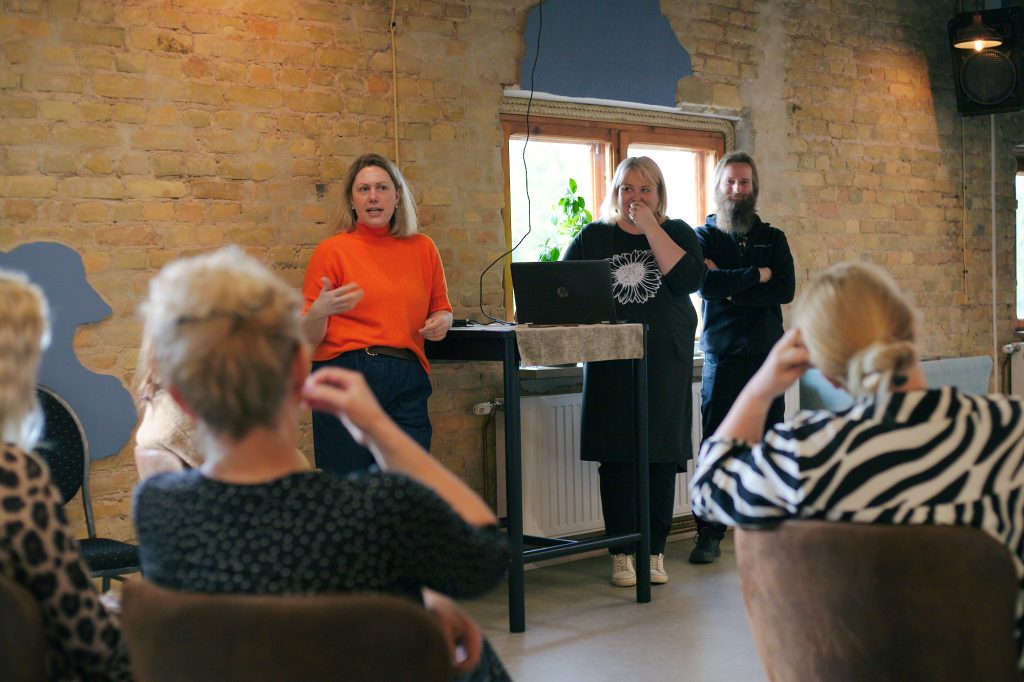
By learning environment, we understand an environment of a particular educational establishment characterised by social components, as well as interpersonal relationships.
These factors influence and complement each other and affect every person involved.
Learning environment additionally specifies educational environment; it always implies organisation process.
Creative learning is learning that involves understanding and new awareness, which allows the learner to go beyond notional acquisition, and focuses on thinking skills.
It is based on learner empowerment and centeredness.
The creative-learning process entails the production of information or the development of new skills and, in a certain way, original to the learner.
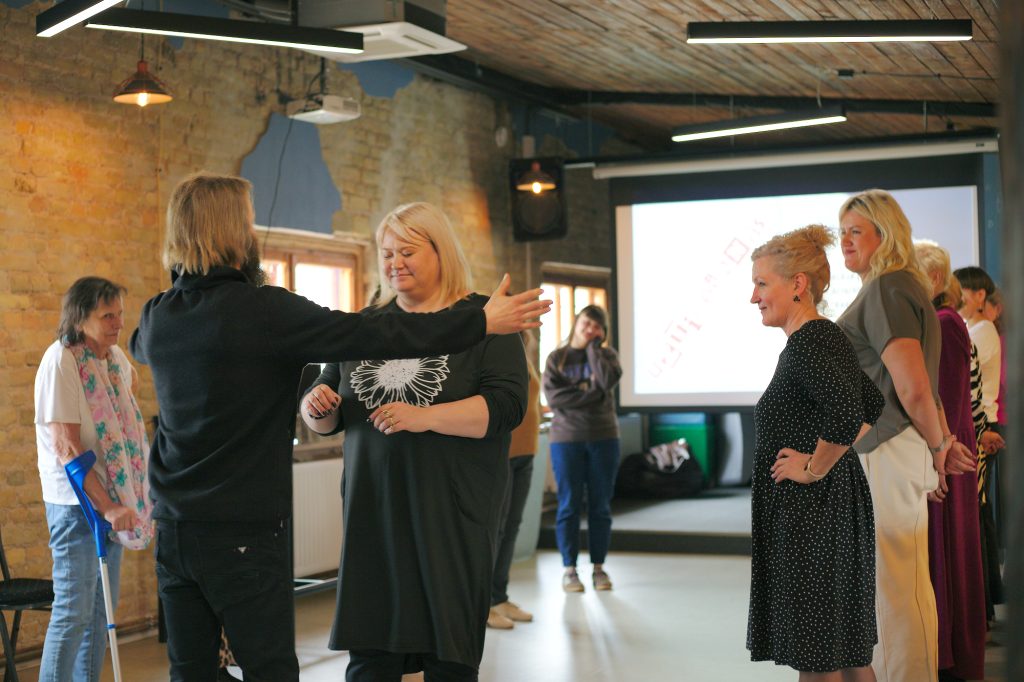
Learning experiences must be successful experiences.
If learners cannot find the answer or it takes too long, intrinsic motivation disappears and with it, the curiosity and interest to learn.
This does not mean that learners cannot ever fail.
In fact, it is healthy to learn how to manage frustration, but it must be a careful process and adjusted to each learner.
On the other hand, the authority to validate the knowledge should not be the educators alone, but much more democratic.
Creativity is conceptualised as a skill for all and it is argued that educational actors have the power to unlock the creative and innovative potential of the young.
It is argued that creativity, in the educational context, should be conceptualised as a transversal and cross-curricular skill, which everyone can develop
- Freedom of space and time, being yourself, making choices.
- Focused on learning processes of both learners and guides.
- Permission and invitation to work together with the community.
- Genderless.
- Trust. Supporting leading learning and sharing but not directing.
- Inspiration, motivation and functional, flexible and diverse space.
- Use of natural and local resources, unique space.
- Place where you feel free to feel with all senses.
- Allowed to fail / No fear of mistakes.
- Playful learning and challenging, experimenting and learning by doing.
- Solid base and sense of wonder.
- Inspiring, researching and discovering.
- No time pressure.
- Safe place to go out of your comfort zone.
- Environment accepted, built by a learning community and flexible to needs.
- Learners are responsible for their own learning process.
- Development of creativity, imagination and fantasy.
- Allowed to express thoughts and questions.
- Space feelings, emotions and imagination where to use all senses.
- Possibility to develop own ideas and procedures.
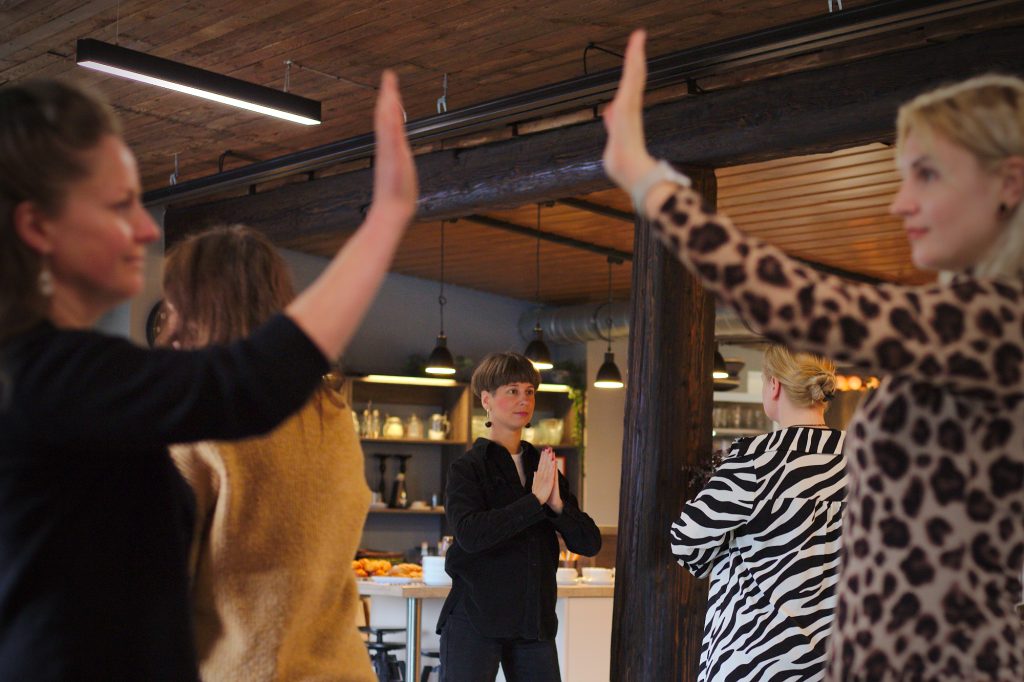
Training programme by the days
Making our personal supporting staff.
Creation of my own learning space.
What is creative learning and creative learning space?
Personal learning river
Formal, non-formal, informal learning approaches.
What is supportive learning?
3600 learning (learning alone).
Selforganized learning, escape room, guess the hobbies.
Creativity.
Theoretical and practical aspects – how to create educational escape rooms?
Planning of educational escape room.
Creation of educational escape room and passing.
Reflection, discussion and evaluation of training.
What is next?