Green Horizons: Educators for a Sustainable Future
The Program designed to empower teachers and youth workers with tools to address environmental issues,
About the programme
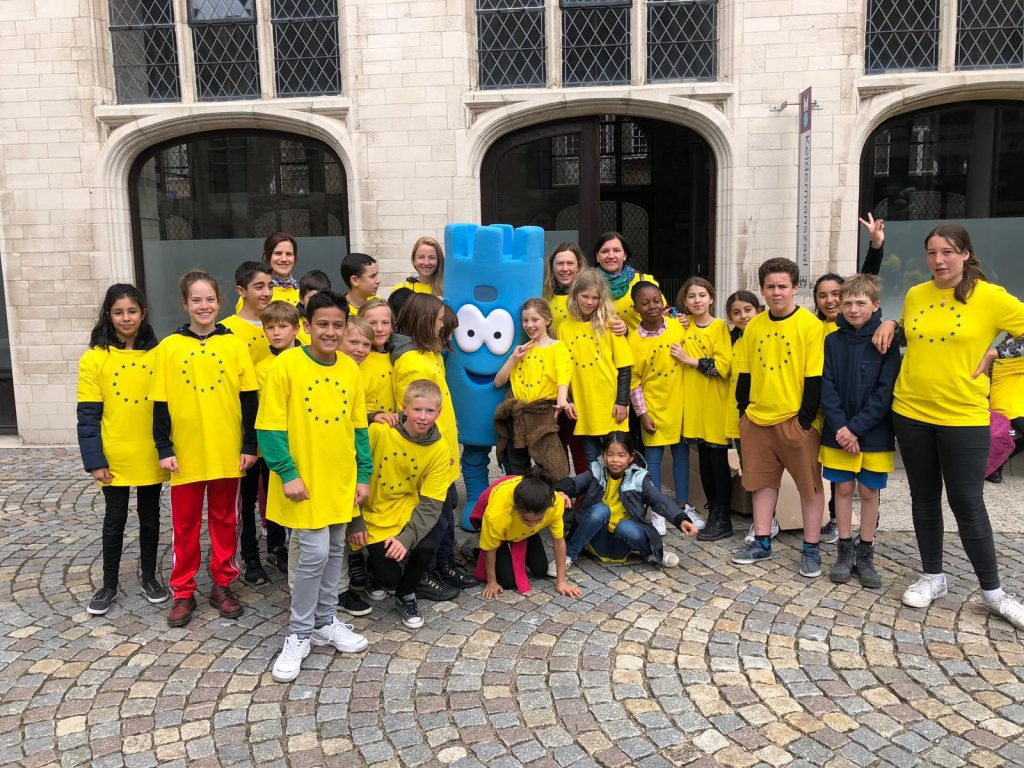
“Green Horizons: Educators for a Sustainable Future” is designed to empower teachers and youth workers with the tools to navigate these critical topics.
By fostering an understanding of environmental issues and climate change, educators become catalysts for positive change, shaping environmentally conscious and responsible global citizens.
The curriculum aims to bridge the gap between theoretical knowledge and practical application, creating a transformative learning experience for both educators and the young minds they inspire.
Topics and Methodology
The subject of the curriculum is the environment and the fight against climate change.
The goal is to provide teachers and youth workers with practical knowledge in working
with young people on these topics.
Educators, education professionals, youth workers
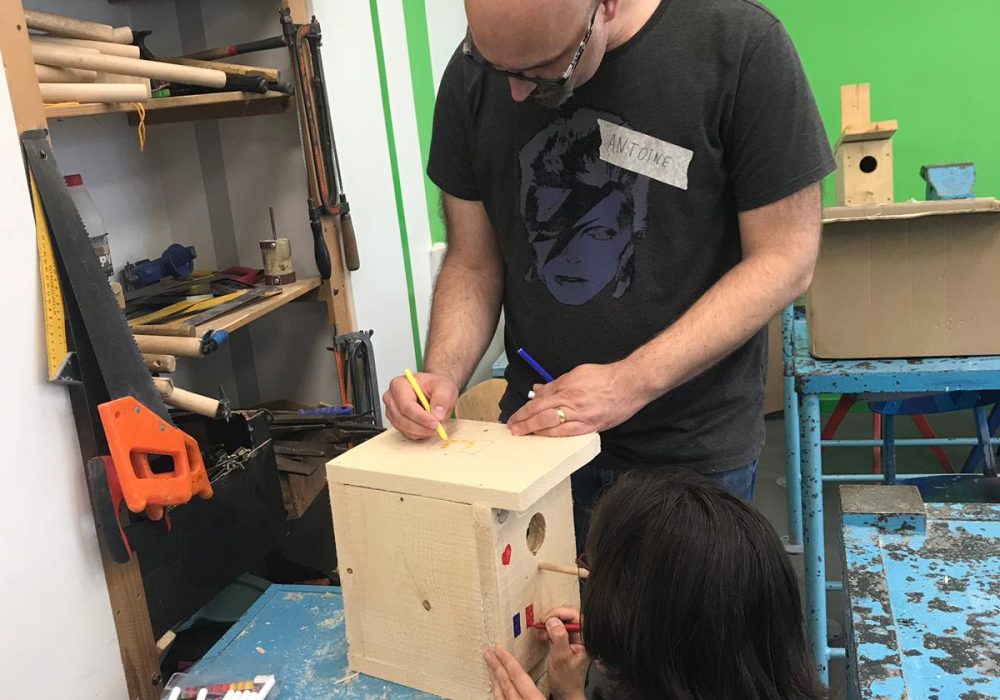
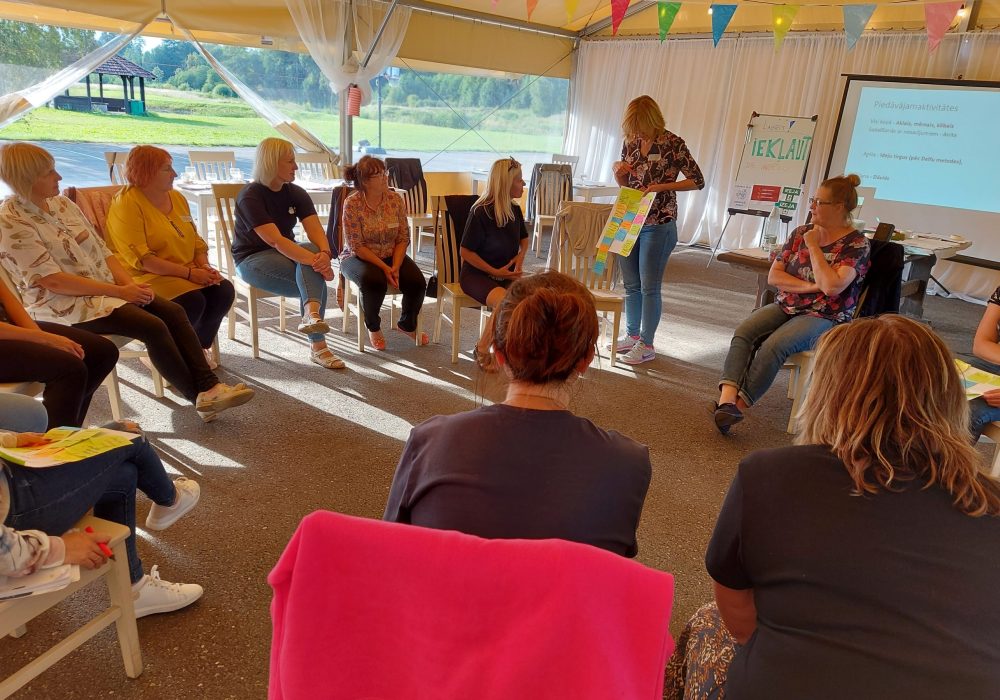
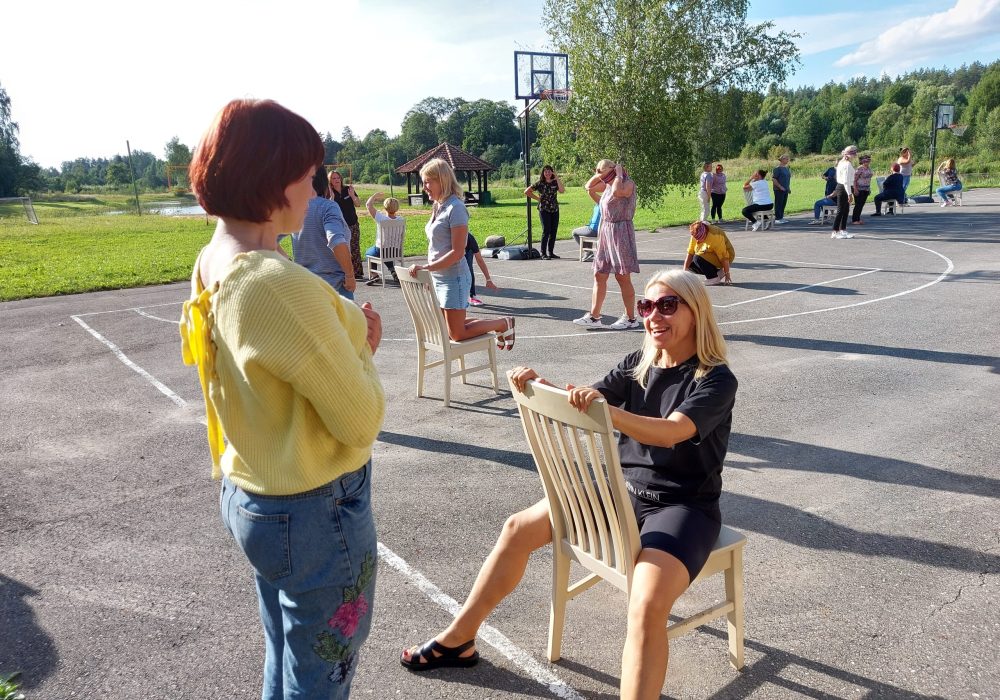
● Interactive workshops with hands-on activities.
● Group discussions and case study analysis.
● Learning by doing and between each other’s.
● Virtual and in-person field trips to sustainable initiatives.
Empower teachers and youth workers with the knowledge, skills, and
attitudes needed to effectively address climate change and promote environmental
sustainability among students.
The program will focus on practical strategies, innovative
practices, and engaging methods to inspire positive change in schools and youth centres.
Importance of Environmental Education and Climate Change Awareness
1. Urgency of Climate Change:
Climate change is a defining challenge of our time, impacting ecosystems,
economies, and communities globally. The scientific consensus on human-
induced climate change underscores the urgency of addressing this issue.
Educators play a pivotal role in preparing the next generation to understand,
respond to, and mitigate the effects of climate change.
2. Global Relevance:
Borders do not confine climate change and environmental issues. They affect
individuals and societies worldwide. By integrating these topics into education,
we empower students to think globally and act locally, fostering a sense of
shared responsibility for the planet.
3. Impact on Future Generations:
Young people are the future custodians of the Earth. Equipping them with a
deep understanding of environmental issues instils a sense of environmental
stewardship. This knowledge empowers them to make informed decisions,
adopt sustainable practices, and contribute to positive change in their
communities.
4. Interdisciplinary Learning:
Climate change and environmental sustainability cut across various disciplines,
offering rich opportunities for interdisciplinary learning. Integrating these topics
into the curriculum enhances critical thinking, problem solving, and creativity,
preparing students for a complex and interconnected world.
5. Real-world Relevance:
Teaching about the environment and climate change provides students with
real-world relevance for their education. It connects classroom learning to
tangible issues that affect their lives, fostering a sense of agency and
engagement.
6. Social and Economic Implications:
Understanding the environmental impact of human activities is crucial for
students to grasp the social and economic implications of climate change. This
knowledge empowers them to address environmental justice issues and
advocate for sustainable policies and practices.
7. Career Opportunities:
As the world transitions to a more sustainable future, there is a growing demand
for individuals with expertise in environmental science, policy, and education.
Educating students on these topics opens doors to diverse career opportunities
and encourages them to consider paths that contribute to a sustainable future.
8. Global Citizenship:
Environmental education fosters a sense of global citizenship, emphasising the
interconnectedness of all living beings and the importance of collective action. It
encourages students to think critically about their role in a global context and
promotes values of empathy, responsibility, and cooperation
Training programme by the days
Introducing, learning to live together:
● Content of the training programme, expectations, fear, participation promises.
● To know each other, team building.
● Life library – what we know, what we can.
● What is my experience of a green lifestyle?
Knowledge Building:
● Understand the scientific foundations of climate change, its global impact, and the
role of human activities.
● Acquire in-depth knowledge about sustainable development goals (SDGs),
especially those related to environmental conservation.
● Familiarise participants with regional and global initiatives addressing climate
change, with a focus on the European Union’s policies.
Attitude Formation:
● Cultivate a positive and proactive attitude toward addressing climate change
among educators and youth workers.
● Foster a sense of responsibility for environmental stewardship and sustainable
living.
● Encourage a collaborative mindset for engaging with students, colleagues, and the
community in climate action.
Promotion of Sustainable Development:
● Explore strategies for incorporating sustainable development principles within
educational institutions.
● Identify opportunities for cross-disciplinary collaboration to integrate
environmental sustainability into various subjects.
● Develop action plans for promoting sustainable practices within the school or youth
centre and contributing to broader community initiatives.
Innovative Practices for Changing Consumer Habits and Lifestyles:
● Explore innovative and sustainable practices for transforming consumer habits and
lifestyles.
● Provide tools and techniques for integrating eco-friendly practices into daily
routines.
● Encourage educators and youth workers to lead by example in adopting and
promoting sustainable behaviours.